In recent years, glamping tents have taken the outdoor living world by storm. A blend of “glamorous” and “camping,” glamping offers all the natural beauty of the outdoors without sacrificing the comforts of modern life. But glamping tents are no longer just for weekend getaways—they’re increasingly being used as permanent homes, especially in eco-communities, resort-style retreats, and off-grid living spaces.
What Are Glamping Tents?
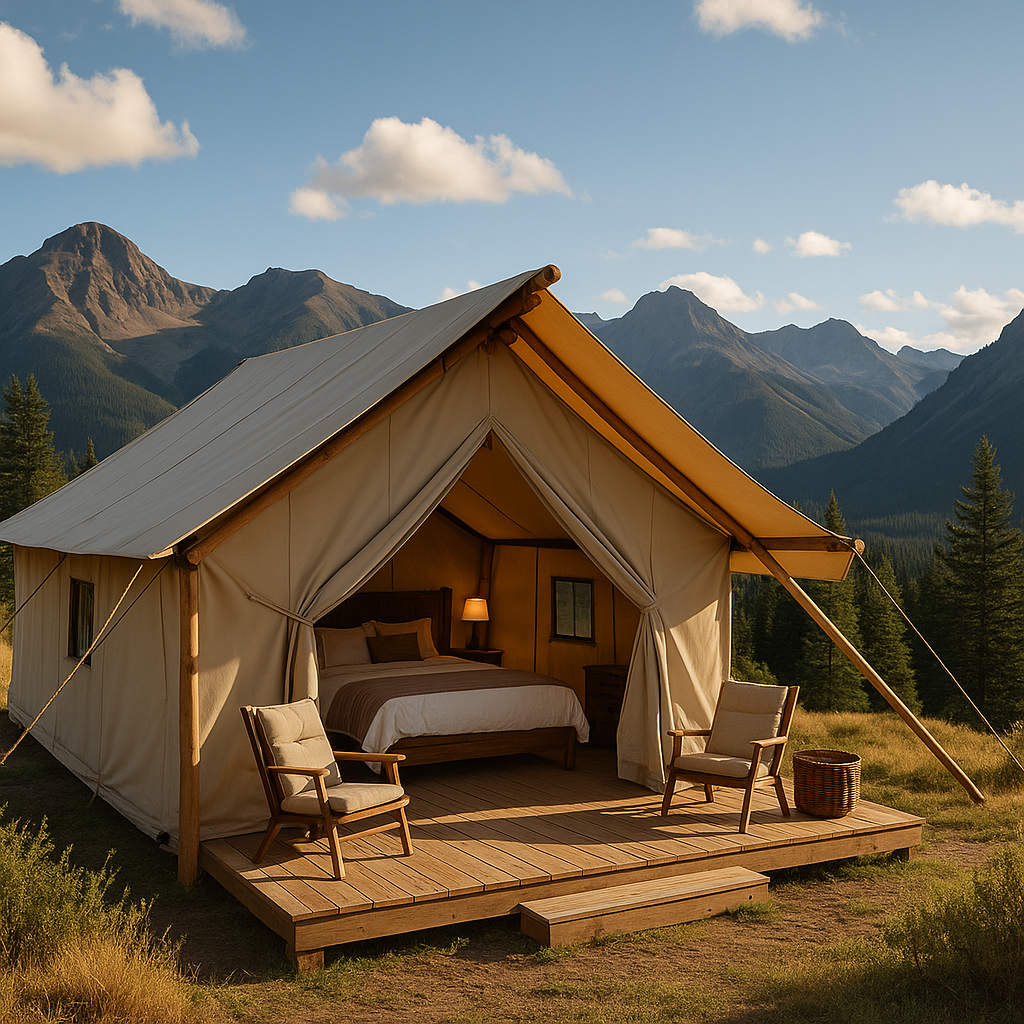
Glamping tents are high-end canvas or fabric structures that combine the look and feel of traditional camping tents with modern amenities like electricity, plumbing, insulation, and luxury furnishings. Unlike the flimsy nylon tents used in basic camping, glamping tents are often built from military-grade canvas, double-stitched seams, weatherproof coatings, and sturdy frames made of galvanized steel, aluminum, or treated wood.
These structures come in various styles, including:
- Safari Tents
- Bell Tents
- Yurts
- Geodesic Domes
- Tipis
- Wall Tents (also known as Cabin Tents)
Each offers unique design possibilities, durability features, and customization options.
Why Glamping Tents Are Ideal for Permanent Living
What makes glamping tents a viable alternative to traditional homes? Here are some key advantages that explain why more people are embracing glamping tents as long-term living solutions:
1. Durability for All Climates
Modern glamping tents are designed to withstand extreme weather—from blazing sun and heavy rain to snow and high winds. Heavy-duty canvas or PVC-coated polyester ensures long-term resilience. With proper care, many of these tents can last 10–20 years or more.
Some models include built-in wood-burning stoves, thermal insulation layers, solar panel kits, and even double walls for year-round comfort in harsh climates.
2. Luxury and Comfort
Don’t let the word “tent” fool you. Inside, glamping tents can be more luxurious than some traditional homes. They can include:
- Full-size beds with high-thread-count linens
- Hardwood or composite flooring
- Full bathrooms with showers and hot water
- Kitchenettes with stoves and mini-fridges
- Air conditioning and heating units
- Elegant lighting fixtures and décor
With modular floor plans, you can create separate rooms for sleeping, cooking, working, and entertaining.
3. Affordability and Speed of Construction
Compared to building a brick-and-mortar house, glamping tents are far more affordable. Depending on the size and features, a fully equipped glamping tent can cost anywhere from $10,000 to $60,000, making it ideal for budget-conscious homeowners or landowners seeking to build multiple units for rentals.
Installation is often completed in days or weeks, not months. This makes glamping tents especially attractive for people looking to:
- Escape the city
- Set up Airbnb or eco-tourism rentals
- Build sustainable tiny home communities
- Live off-grid or on raw land with minimal infrastructure
4. Eco-Friendly Living
Glamping tents are often made from sustainable and biodegradable materials, and many are designed to be off-grid ready. Features such as composting toilets, solar panels, rainwater harvesting systems, and natural ventilation make them ideal for low-impact, sustainable living.
If you’re concerned about your carbon footprint, glamping tents provide a greener alternative to traditional housing without compromising style or functionality.
Popular Use Cases for Permanent Glamping Tent Homes
Many people are already rethinking the way they live and choosing glamping tents for:
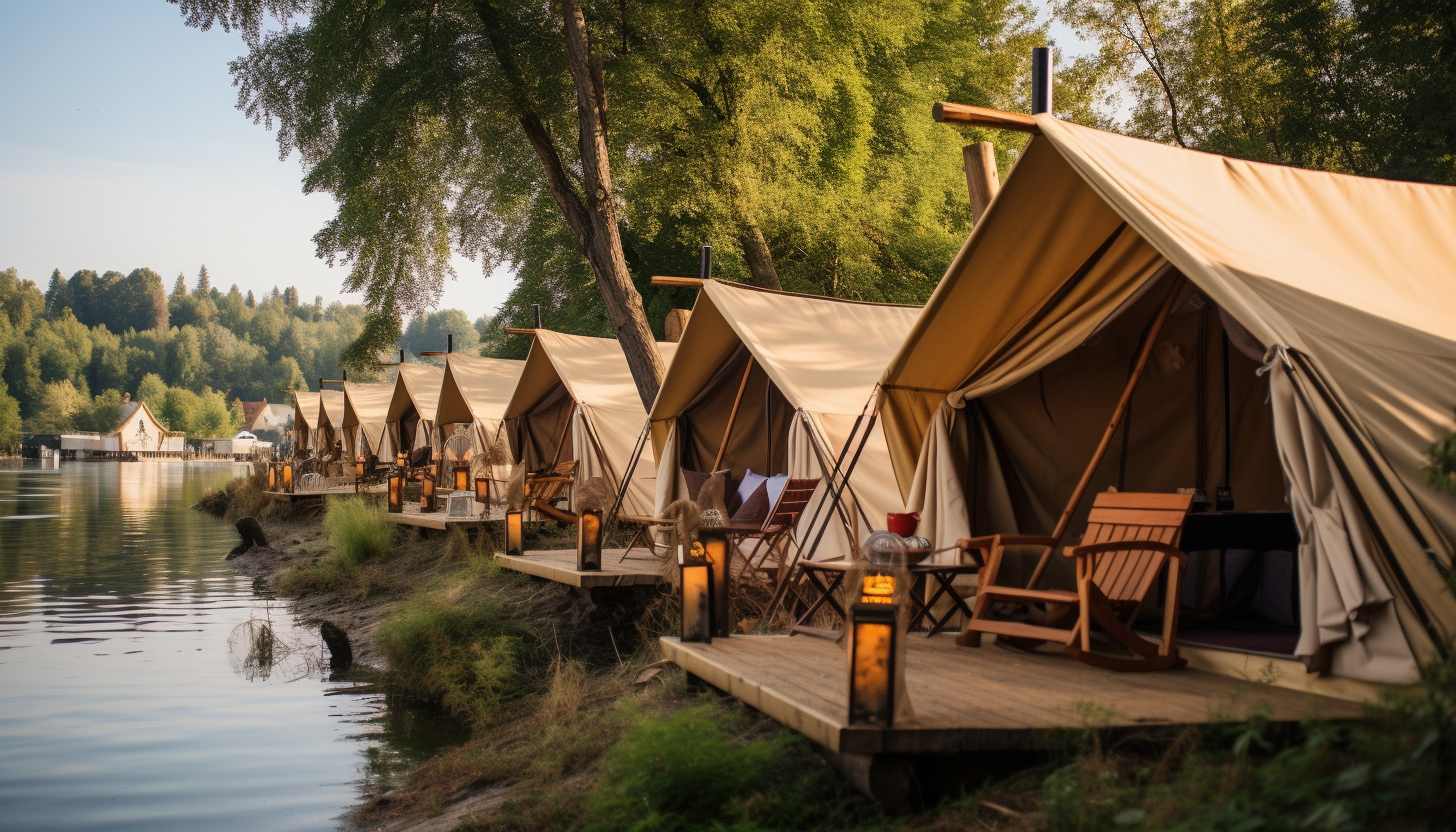
- Vacation Rentals: Many property owners use luxury tents as profitable Airbnb listings. A scenic location plus a well-furnished glamping tent can bring in hundreds of dollars per night.
- Tiny Home Living: Minimalist lifestyles are on the rise, and glamping tents offer everything you need with a smaller footprint.
- Off-Grid Living: Homesteaders and adventurers are turning to glamping tents to live independently from utilities and crowded cities.
- Eco-Communities: Shared land ownership and community-based living thrive with flexible housing options like glamping tents.
- Guest Houses or Backyard Studios: Need a quiet space for guests or remote work? A glamping tent in your backyard can be a stylish and functional addition.
Things to Consider Before Investing in a Glamping Tent for Permanent Use
If you’re planning to live in a glamping tent full-time, there are some important considerations:
- Zoning Laws & Permits: Always check local laws regarding permanent tent structures, land use, and sanitation requirements.
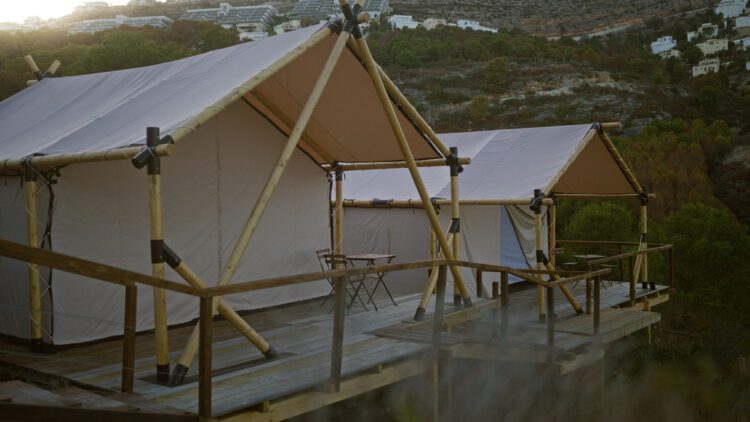
- Foundation Options: Many glamping tents require a raised wooden platform or a concrete pad for stability and insulation.
- Climate Adaptability: Choose a tent rated for your region’s weather. Cold-climate tents may require additional insulation and heating systems.
- Security: Reinforced locks, surveillance cameras, and fenced properties help enhance safety and privacy.
- Insurance: Some insurers now offer coverage for high-end glamping tents, but this is still a niche market.
Final Thoughts
Glamping tents are no longer just a passing trend—they are a legitimate housing option for modern, environmentally conscious individuals seeking affordability, style, and flexibility. With proper setup and thoughtful design, a glamping tent can provide all the comforts of home in a breathtaking natural setting.
Whether you’re dreaming of a secluded mountain retreat, a lakeside eco-cabin, or simply want to downsize and simplify, glamping tents are redefining the way we think about permanent housing.
As with any setup up there are challenges. Read our article on solving glamping challenges to ensure you have a smooth glamping setup.